Messi thus became the first player in World Cup history to score in seven consecutive matches (including the last four matches of the 2022 World Cup). He currently leads the scoring charts with six goals, and his personal record for most World Cup goals has been extended to 19.
In another match played simultaneously, Algeria pulled off a 3-3 draw against Austria, securing their place in the knockout stage as one of the best third-placed teams. Iran was eliminated from the top eight, becoming the last team to be eliminated.
With this, the group stage of this World Cup has concluded. Of the 32 teams, 13 are from Europe, the most of any continent. Nine African teams have advanced, and all five South American teams except Uruguay have qualified. Only three host nations remain from the CONCACAF region, and only Japan and Australia represent Asia.
According to the knockout stage rules of this World Cup, the top four teams in the world rankings (France, Spain, Argentina, and England) are each assigned to one of the four quarter-final groups, meaning that these four teams will not meet before the semi-finals. However, the knockout stage is still highly anticipated and full of excitement.
Click below to view the full pre-match analysis from OpenScore.
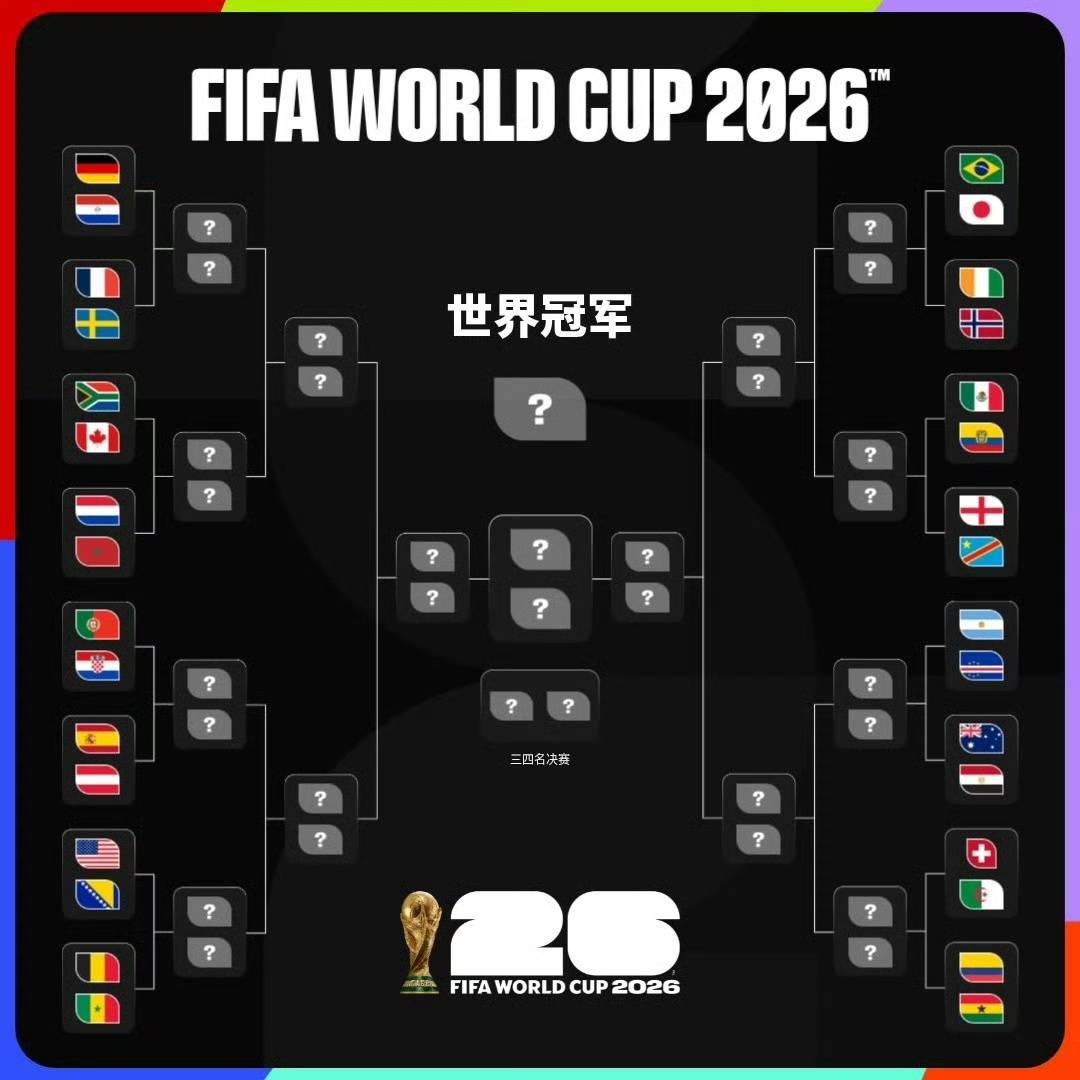
Upper bracket: European powerhouses gather, with France and Germany, Spain and Portugal facing off in the round of 16. The upper bracket is dominated by France and Spain, and also includes strong European teams such as the Netherlands, Spain, Portugal, and Belgium, as well as rising African power Morocco.
France, in their quarter-final group, will face Sweden, led by Dzekeresh and Isak, in the Round of 32. If they advance, Germany and France will face off in the Round of 16. Meanwhile, the Netherlands and Morocco, ranked seventh and eighth in the world respectively, will meet in the Round of 32. Morocco held the formidable Brazil to a draw in their first match, showcasing impressive, aesthetically pleasing football. The Netherlands, meanwhile, thrashed Sweden 5-1, demonstrating their formidable attacking prowess. The winner of that match will compete against the winner of the South Africa vs. Canada match for the other quarter-final spot.
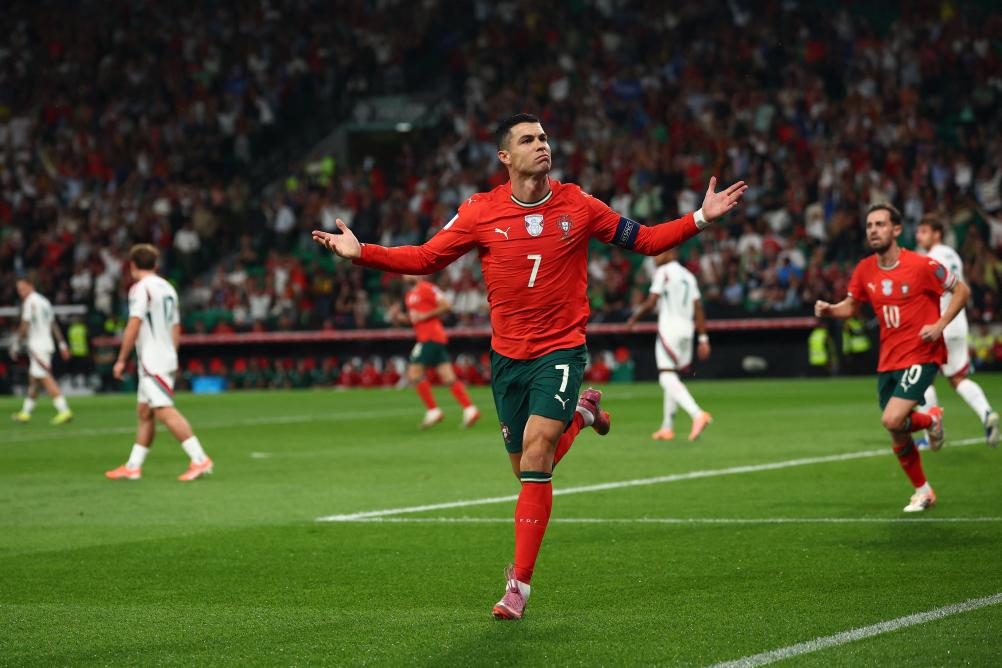
In the second quarter of the draw, where Spain is located, Portugal, the only seeded team not to have advanced as the top seed, will face Croatia in the Round of 32. Portugal has a historical advantage in their head-to-head encounters. If Portugal advances, they will face the winner of the Spain vs. Austria match. This means that the Round of 16 will feature an early "Iberian Derby," and as title favorites, the elimination of either Spain or Portugal would be a great disappointment. Belgium will face Senegal, and hosts the United States will face Bosnia and Herzegovina, with the winners of those two matches also meeting in the Round of 16.
The lower half of the bracket: South American powerhouses plus England vie for the other semi-final spot. Teams from the Americas, including Brazil, Argentina, Mexico, Ecuador, and Colombia, give this half a strong Latin flavor. Norway, England, and Switzerland are the only European teams in this half. The two quarter-final groups are occupied by England and Argentina respectively. Comparatively, Argentina's path to the semi-finals is relatively easier, while England could potentially face Brazil in the quarter-finals again after 24 years.
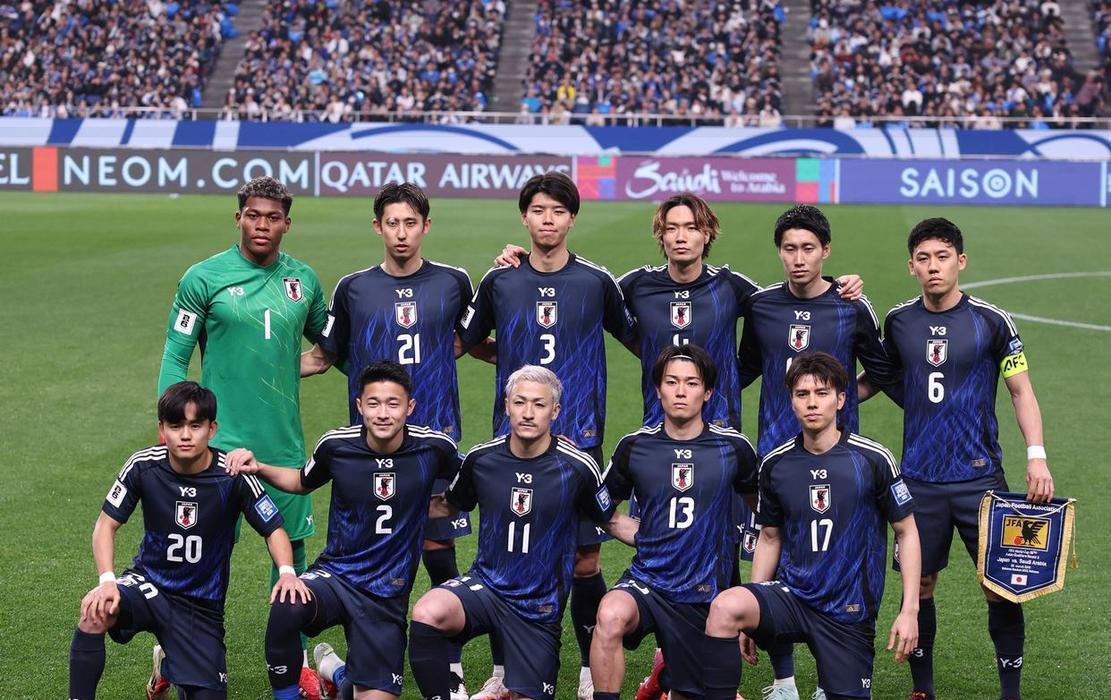
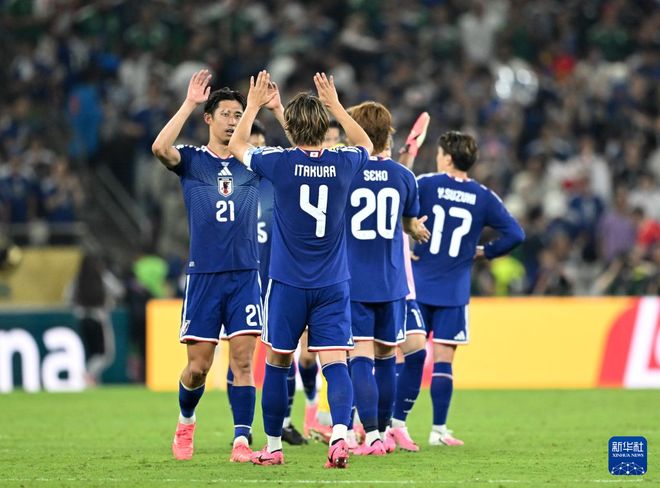
England and Brazil are the focus teams in the third quarter. Brazil, eager to light their sixth star, will face Japan in the Round of 32. Japan defeated Brazil 3-2 in a friendly last year, their first-ever victory against them. Brazil's path to the final has been relatively smooth, but the absence of Rafinha means they need to adjust their strategy. If they advance, their opponent will be the winner of the Ivory Coast vs. Norway match. England will face the Democratic Republic of Congo in the Round of 32, with the winner facing the winner of the Mexico vs. Ecuador match.
Compared to the qualification prospects of Brazil and England, the fourth quarter of the draw, where defending champions Argentina are located, is considered to have a relatively smooth path to the finals. They will face this year's World Cup dark horse, Cape Verde, in the quarterfinals. If they advance, their opponent will be either Australia or Egypt. If they do reach the quarterfinals, their potential opponents are Switzerland or Colombia, whose current Round of 32 matches are against Algeria and Ghana, respectively. Historically, Argentina has a 5-2 record against Switzerland, with their last encounter dating back to the Round of 16 in the 2014 World Cup, where Argentina narrowly won 1-0. Colombia is also a long-time rival of Argentina, playing a similarly refined style of football. Historically, Argentina holds the advantage with 21 wins, 12 draws, and 10 losses against Colombia. In their last meeting, Argentina drew with Colombia after already qualifying for the World Cup.
In the historical encounters between Argentina, Brazil, and England, Argentina and Brazil are evenly matched rivals with a record of 43 wins, 26 draws, and 42 losses, with the Albiceleste holding a slight advantage. Both teams have scored 167 goals against each other. Argentina is slightly at a disadvantage against England with a record of 4 wins, 4 draws, and 6 losses. However, Argentina's World Cup record against England is evenly matched, with two wins and two losses, contributing classic matches such as the 1986 quarter-final, the 1998 round of 16, and the 2002 group stage. Brazil has a record of 12 wins, 11 draws, and 4 losses, also contributing the classic 2-1 victory over England in the 2002 World Cup. Therefore, if these three teams were to meet in the quarter-finals and semi-finals, it would undoubtedly become a new World Cup classic. Unfortunately, due to Portugal's failure to qualify as the top team, fans who want to see a "Messi vs. Ronaldo" duel between Portugal and Argentina will have to wait until the final.