The Rule Change No One Saw Coming
In March 2025, the Federal Housing Finance Agency quietly announced that Fannie Mae and Freddie Mac will now accept home insurance policies offering only "actual cash value" coverage for roofs. Translation: if a storm destroys your roof, your insurer pays what your old roof was worth — not what a new one costs.
The Trump administration framed it as an affordability win, arguing that actual cash value (ACV) premiums run 10% to 20% cheaper than replacement-cost policies. But the math tells a darker story. If your roof costs $10,000 to replace and the insurer decides it's worth $2,000 after depreciation, you're covering the $8,000 gap yourself.
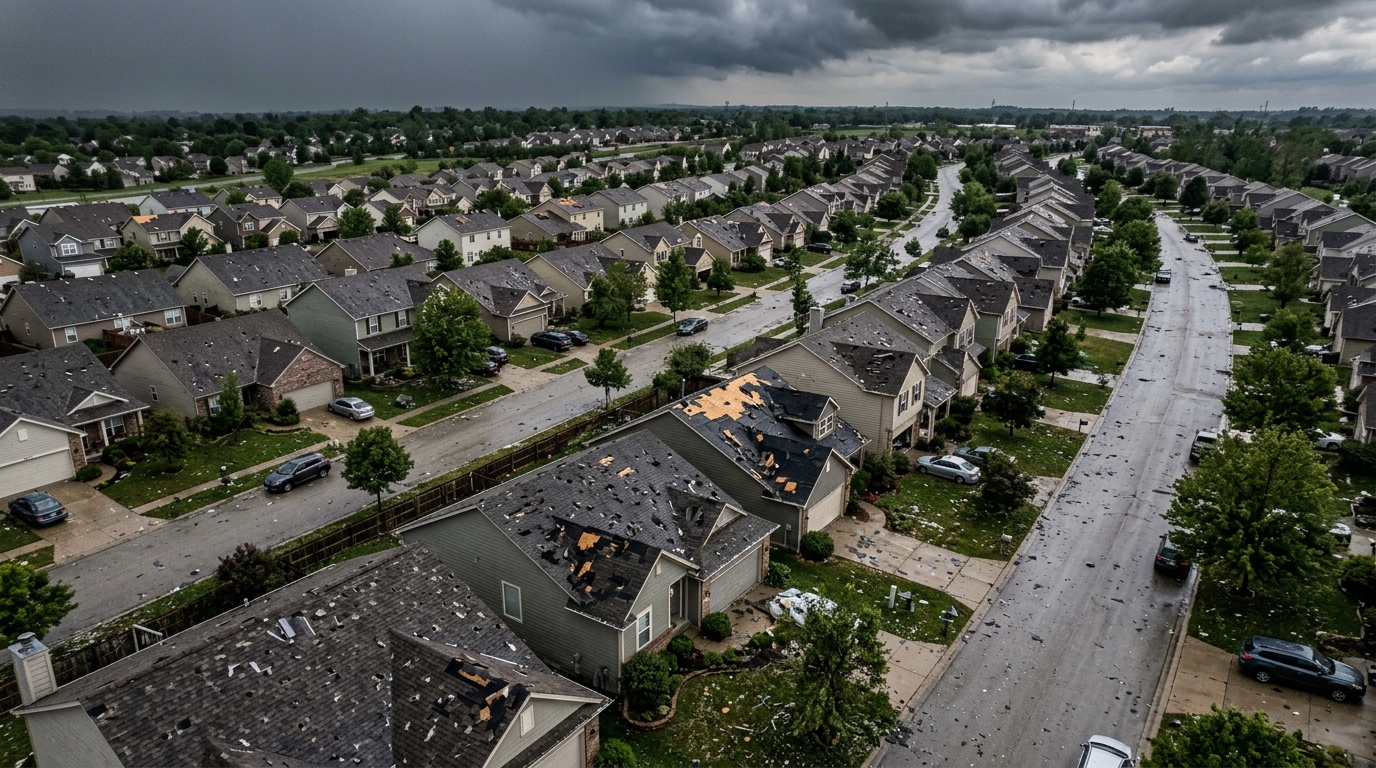
The timing? Brutal. Softball-sized hail hit Colorado this week, and thousands of homeowners are now inspecting damage just as they're learning their policies might not cover what they thought.
The Numbers Behind the Sticker Shock
- Roof replacement cost range: $5,000 – $30,000+
- Premium increase per claim: 7% – 10%
- ACV premium discount vs. replacement cost: 10% – 20%
- Typical out-of-pocket under ACV (example): $8,000
The Claim-or-Pay Dilemma
Homeowners now face a brutal choice after storm damage: file a claim and watch your premium spike 7% to 10%, or pay out of pocket and protect your insurance record. Even a single claim can shadow you for years, affecting future premiums and insurability.
Loretta Worters, vice president of media relations at the Insurance Information Institute, warns that multiple claims over a short period can make you uninsurable in some states. But she also advises reporting major damage promptly — especially after hailstorms — so the insurer can inspect before the trail goes cold.
The problem is most homeowners won't even realize they have ACV coverage until it's too late. Amy Bach, director of United Policyholders, says many insurance agents "brush off the details" because the commission on recommending fuller coverage isn't worth the risk of losing a price-sensitive customer.
What This Means in Practice
Jennifer Taylor, a public adjuster and CEO of Claim Ready, draws a key distinction: "There is a difference between not reporting damage and not investigating damage." She recommends documenting everything with time-stamped photos and videos, even if you're not ready to file. That way, if you do submit a claim later, you have proof of when and how severe the damage was.
Lindsay Frangie, a branch partner at Alcova Mortgage, is blunt about the policy shift: "I think it's a Band-Aid on a bullet wound." She's seen clients blindsided by $9,000 surprise bills after a hailstorm, not realizing their insurer covered only the depreciated half. The premium savings evaporate in a single storm.
Bach's advice: ask your agent directly, "How much money will this policy generate to repair my roof if it gets damaged?" If you can't cover the shortfall, either start an emergency roof fund or pay extra each month for replacement-cost coverage. The cheaper premium is only a deal if you never need it.
Hail and Hurricane Season, on Your Dime
The rule change lands as inflation hit a three-year high in May 2025, groceries and gas are squeezing household budgets, and insurance premiums are already a barrier for aspiring homeowners navigating elevated home prices, mortgage rates above 6%, and rising property taxes.
For existing homeowners bracing for hail and hurricane season, the new reality is stark: the insurer's share just got smaller, and the bill left on your doorstep just got bigger. The question is no longer whether your policy covers roof damage — it's how much of it you're covering yourself.
FAQ
How do I know if my policy is actual cash value or replacement cost?
Check your policy declarations page for the term "actual cash value" or "ACV" under roof coverage. If it's not clear, call your agent and ask: "How much will this policy pay to replace my roof if it's destroyed?" Get a dollar figure, not a percentage.
Should I file a claim for roof damage or pay out of pocket?
Compare your deductible and the estimated repair cost against the long-term premium increase (7%–10% per claim). If the damage is minor and close to your deductible, paying out of pocket protects your claims history. For major damage exceeding your deductible, file promptly and document everything.
Can I switch from ACV to replacement-cost coverage mid-policy?
Yes, but you'll need to contact your insurer or agent to endorse your policy. Expect a premium increase of 10%–20%. Some insurers require a roof inspection or limit replacement-cost coverage based on roof age.
This article is for informational purposes only and does not constitute financial, legal, or insurance advice. Consult a licensed insurance professional or financial advisor before making coverage decisions.